Vacant Unit Humidity Checklist (Florida Edition): How to Prevent Musty Odors and Mold Between Tenants
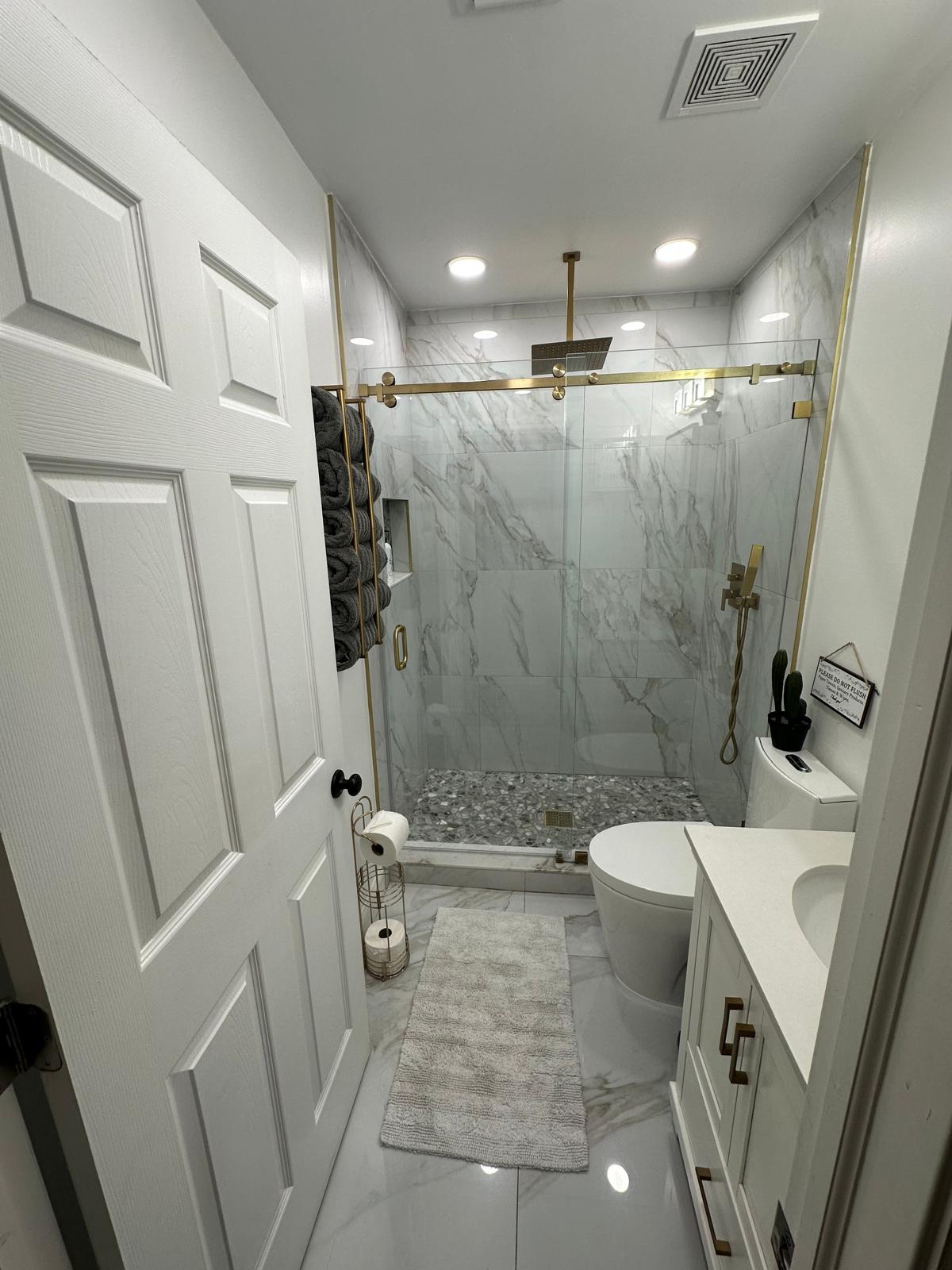
In Florida, a vacant unit can develop musty odor quickly—even if it was cleaned perfectly. The cause is usually humidity + low airflow.
This checklist is designed for Greater Tampa Bay (St. Petersburg, Tampa, Clearwater, Largo, Palm Harbor, St Pete Beach).
Key Takeaways
- Odor between tenants is often airflow, not "dirty."
- Closets and bathrooms are the first risk zones.
- Weekly checks prevent bigger issues.
- Neutral air reads premium; perfume reads suspicious.
Weekly Checklist (10–15 minutes)
- Confirm AC is running at a stable setting + filter is clean
- Keep interior doors slightly open (especially closets)
- Bathrooms: check corners + faucet bases + fan area
- Closets: smell check + shelf-edge dust lines
- Kitchen: under-sink moisture check
- Tracks/thresholds: quick check and edge vacuum if needed
10-Second Smell Test
When you enter: does it feel neutral and breathable?
If not, prioritize airflow and a light reset—don't mask it.
Need professional vacant unit maintenance for your Tampa Bay properties?
Explore ServicesTools & Supplies for Weekly Vacant-Unit Visits
A small kit kept in the property management vehicle handles 95 percent of vacant-unit checks across St. Petersburg, Tampa, Clearwater, and Largo:
- Hygrometer (digital humidity meter): the only way to know if the unit is actually below 55 percent. Inexpensive and saves callbacks.
- HEPA stick vacuum: for sliding door tracks, closet shelf edges, and bathroom corners between tenants.
- Microfiber cloth pack: dry for dust, lightly damp for surfaces. No fragrance, no residue.
- HVAC filter inventory: stock the common sizes (16x25, 20x25) so swaps happen on the same visit.
- Portable dehumidifier: for any unit that has been vacant longer than 14 days during summer.
- Door stoppers or magnetic clips: to keep closet and bathroom doors slightly open between visits.
Step-by-Step: A 12-Minute Weekly Walk
- Walk in and pause for 10 seconds. Take a neutral breath. Note any musty, sour, or chemical smell before your nose adjusts.
- Read the hygrometer. Above 55 percent means action needed. Above 60 percent means dehumidifier or HVAC adjustment same day.
- Confirm AC setpoint and filter. 78F is the sweet spot for vacancy. Replace the filter if any visible loading.
- Open every closet, pantry, and laundry door. Quick smell check at each. Stale air at this stage prevents bigger issues later.
- Bathroom corner check. Run a dry microfiber along grout lines and faucet bases. If anything feels damp, that is the source.
- Under-sink check. Kitchen and both bathrooms. A flashlight catches drip lines that build over weeks.
- Track and threshold pass. Quick vacuum of sliding doors and front entry. Sand and humidity love the threshold gap.
- Document. One photo of the hygrometer, one note in the property log. Future-you will thank present-you when leasing asks.
When to Call a Professional Cleaning Partner
In-house weekly checks handle most units. Bring in a professional reset crew when these patterns show up:
- Hygrometer reads above 60 percent for two visits in a row.
- Any visible darkening on grout, baseboards, or HVAC vents.
- The unit has been vacant longer than 30 days during summer.
- You are 48 hours from a showing and the smell test fails.
- Tenant turnover is on a tight schedule and you cannot risk a leasing-week callback. See our make-ready timeline for the full sequence.
For deeper context on Florida-specific moisture problems, our guide on Florida musty smells walks through diagnosis and recovery.
Common Mistakes
- Leaving all interior doors closed
- Turning AC fully off
- Using fragrance sprays to "fix" odor
- Ignoring closets and bathroom corners
FAQs
How often should I check a vacant unit in Tampa Bay?
Weekly checks are ideal for Florida's humid climate. This prevents small humidity issues from becoming larger mold or odor problems that require professional remediation.
What's the fastest way to reduce musty odor?
Increase airflow by opening interior doors, ensuring the AC runs consistently, and checking for any moisture sources. Avoid masking odors with sprays—address the root cause instead.
Should AC be off in a vacant Florida unit?
Never turn the AC completely off. Set it to a stable temperature (around 78°F) to control humidity. High humidity in closed spaces leads to mold growth and musty odors quickly.
Why do closets smell musty first?
Closets have limited airflow, especially when doors are closed. They trap humid air, creating the perfect environment for musty smells to develop before other areas of the unit.
How do I keep bathrooms from getting stale?
Check corners, faucet bases, and exhaust fan areas weekly. Run the exhaust fan periodically if possible, and ensure the bathroom door stays slightly open for airflow.
Where can I book a vacant-unit reset clean?
Vicillas Cleaning Solutions serves St. Petersburg, Tampa, Clearwater, Largo, Palm Harbor, and St Pete Beach with professional vacant unit reset and turnover cleaning services.
Experience the Vicillas Difference
Ready to experience professional cleaning that goes beyond the surface? Let our trusted team bring peace of mind to your Tampa Bay home.
Related Articles
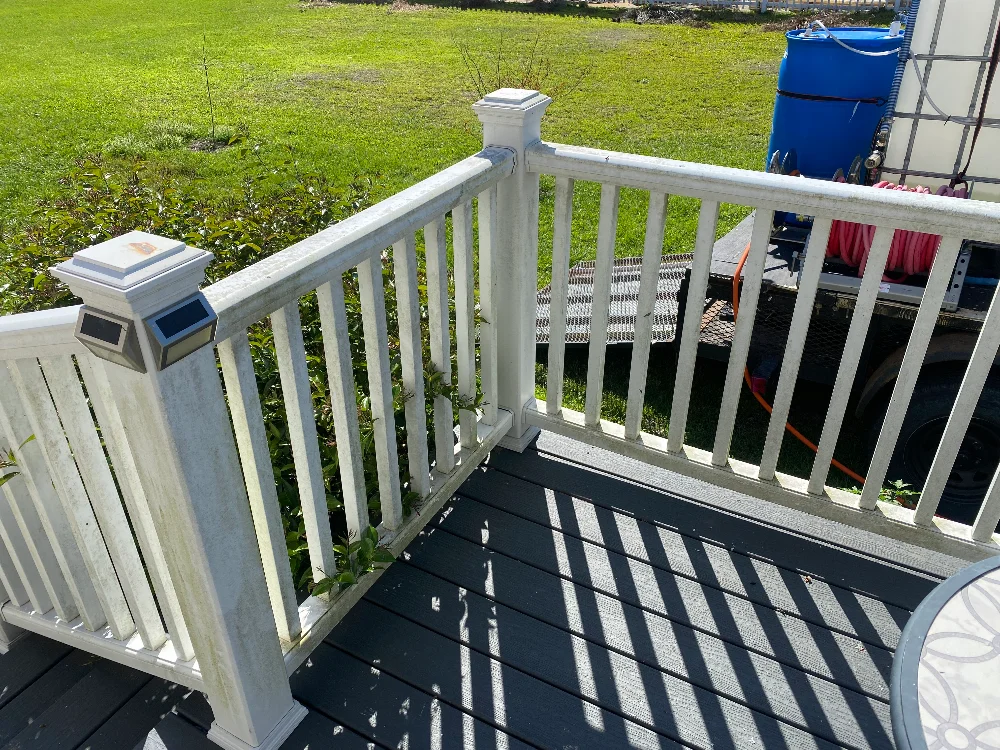
Florida Spring Pollen: A Cleaning Routine That Actually Works
How to keep yellow pollen dust out of your home during Florida's peak pollen weeks.
Read more →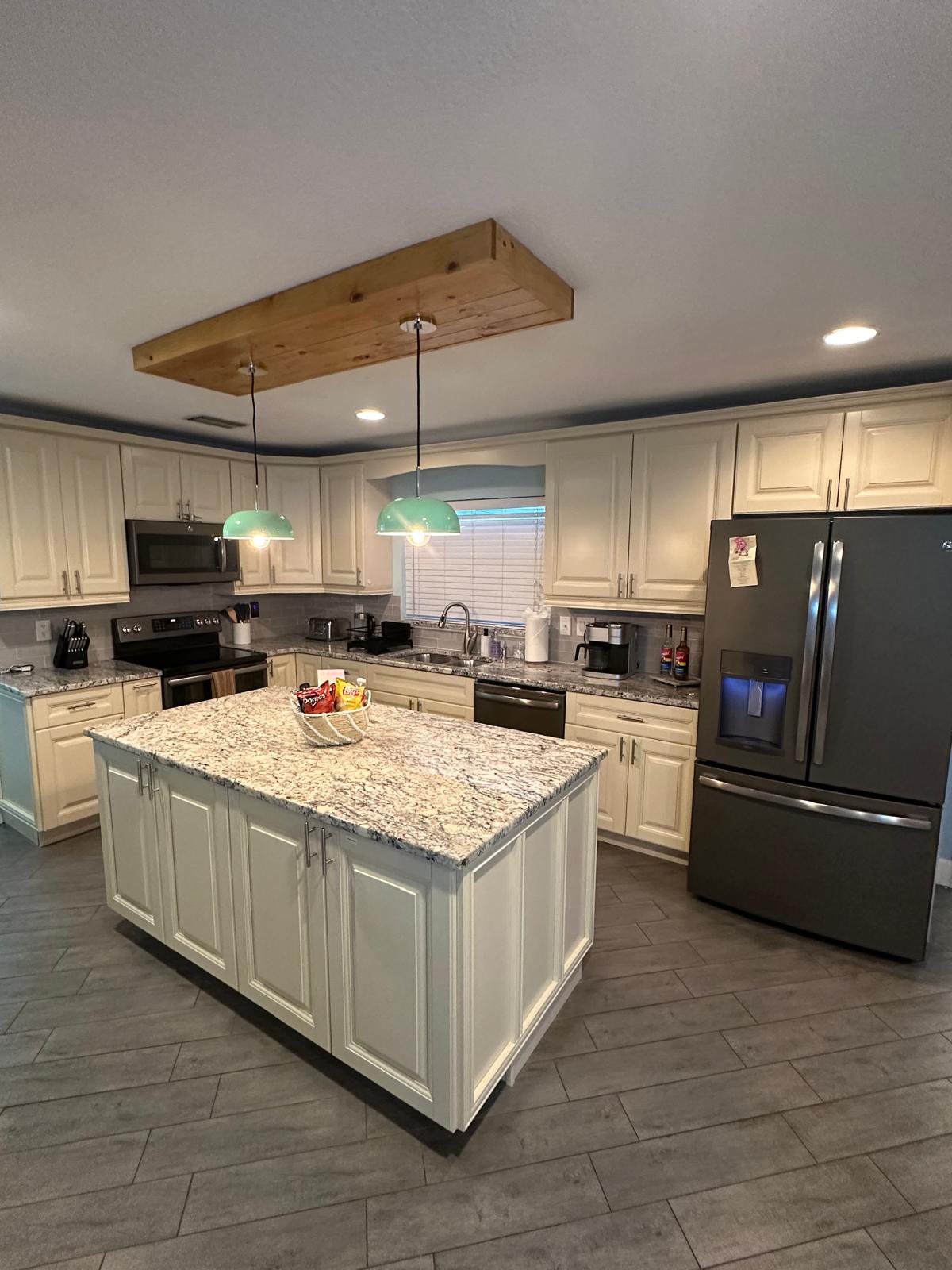
Kitchen Grease Buildup in Florida: How to Remove It for Good
Why Florida humidity makes grease worse — and the cleaning method that actually cuts through it.
Read more →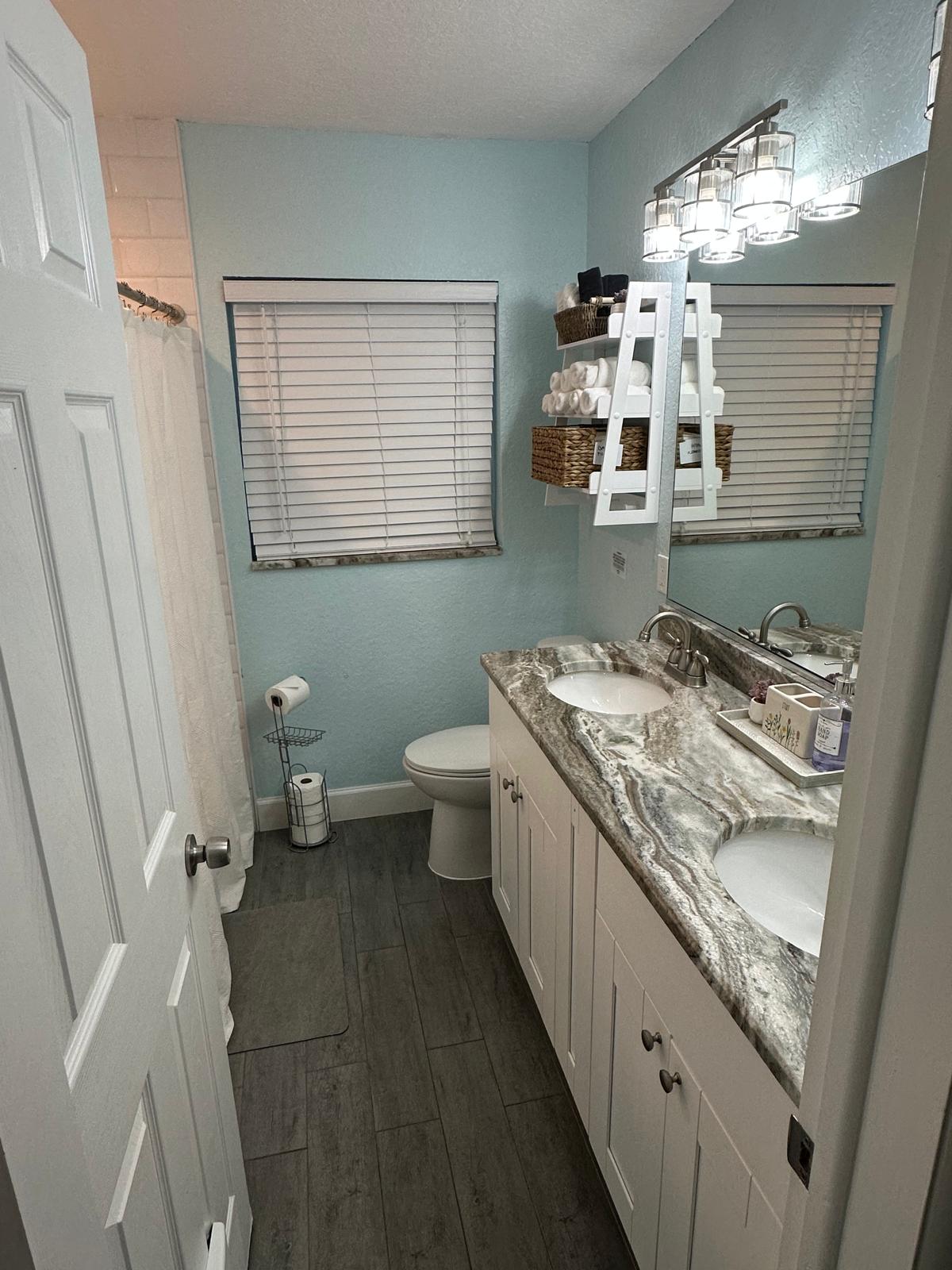
Hard Water Film in Florida Bathrooms: Removal & Prevention
The mineral buildup making your shower look dirty — and how to actually get rid of it.
Read more →