Hard Water Film in Florida Homes: How to Keep Showers, Fixtures, and Glass Looking Clear (Without Harsh Scrubbing)
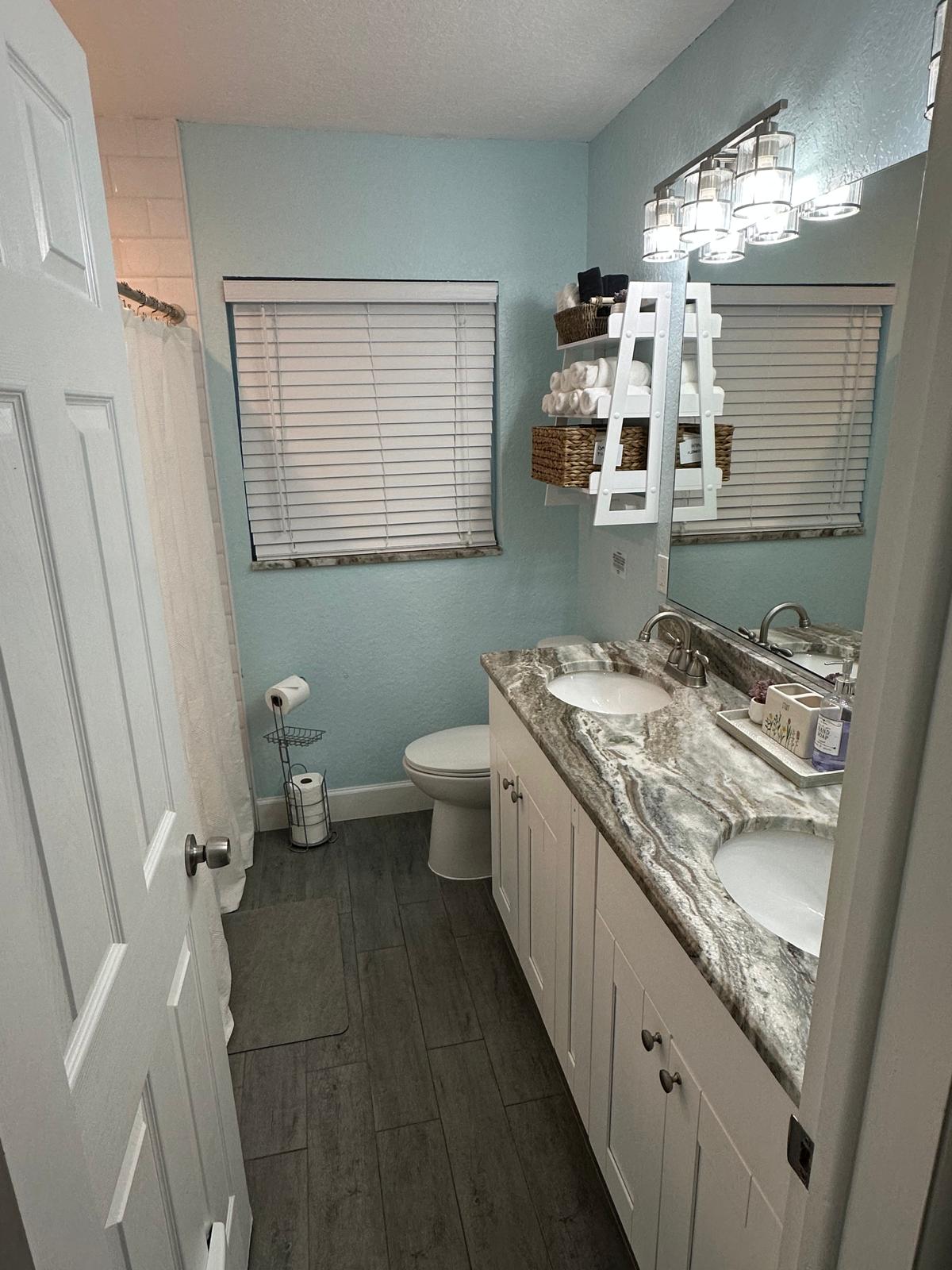
In Florida, bathrooms can look clean and still feel dull. The most common reason is hard water film and mineral buildup, especially on glass, chrome, and tile edges.
This is a frequent issue in Greater Tampa Bay homes across St. Petersburg, Tampa, Clearwater, Largo, Palm Harbor, and St Pete Beach, where municipal water carries enough calcium and magnesium to leave a visible film within days. The fix is not aggressive scrubbing or stronger chemicals. It is a calm routine built around two principles: remove residue gently, and prevent it from re-forming.
Key Takeaways
- Cloudy glass and dull chrome are usually mineral film, not dirt.
- The dry finish is what makes surfaces look polished.
- Faucet bases, shower ledges, and tile edges are where buildup starts.
- Gentle, consistent maintenance beats occasional harsh scrubbing.
- A weekly reset plus a 60-second after-shower habit keeps bathrooms newer for years.
Why Tampa Bay Bathrooms Get Hazy Fast
Tampa Bay water typically tests in the moderately hard range, with calcium hardness elevated enough to leave visible spots wherever water sits. Add Florida's year-round humidity, and water dries slower on every bathroom surface than it would in a dry climate. Slower drying means more time for minerals to deposit, which is why a Phoenix bathroom might look fine for two weeks while a St. Petersburg bathroom shows haze in three days.
Coastal homes in St. Pete Beach, Treasure Island, and Indian Rocks Beach have an extra layer: salt aerosol drifts indoors and combines with mineral film to create a sticky residue that holds dust. The good news is that the same routine handles all of it.
Tools and Supplies
- Squeegee (the single most useful Florida bathroom tool)
- Two microfiber cloths per bathroom (one damp, one dry)
- White vinegar or a citric-acid bathroom cleaner for weekly use
- pH-neutral daily shower spray for between-resets touch-ups
- Soft-bristle detail brush for faucet bases and grout edges
- Small spray bottle for diluted vinegar (50/50 with water)
- Stone-safe cleaner if you have marble, travertine, or natural stone
The Calm Weekly Reset (Step by Step)
1. Dry removal first
Vacuum or sweep the bathroom floor, focusing on edges and corners. Wipe dust from ledges and any vent-adjacent surfaces. Wiping a dusty bathroom with moisture spreads residue and creates streaks.
2. Apply mild acid to mineral hotspots
Spray diluted vinegar or a citric-acid cleaner on shower glass, chrome fixtures, and faucet bases. Let it dwell for 5 to 10 minutes. Do not skip the dwell time. This is what dissolves the mineral layer without scrubbing. Skip this step entirely on natural stone surfaces.
3. Wipe fixtures and ledges
Use a damp microfiber to wipe fixtures and shower ledges first. These hold the most visible haze and give you the biggest perceived improvement.
4. Detail the edges
Run a soft brush around faucet bases, drain rims, and tile edges where water pools. These spots are the source of most "I just cleaned this" frustration.
5. Glass and dry finish last
Clean shower glass and mirrors last. Then do a final dry microfiber pass over every cleaned surface. That last pass is what makes the bathroom look polished instead of just clean.
The 60-Second After-Shower Habit
If you want shower glass to stay clear longer, prevention matters more than scrubbing. After every shower, do two things:
- Run the exhaust fan long enough for the room to feel dry (usually 15 to 20 minutes).
- Squeegee the glass where water sits most, top to bottom in overlapping passes.
It is a tiny habit that saves you from heavy buildup later. Households that adopt it consistently typically extend the time between deep bathroom resets by two to three weeks. For more on Florida moisture management, see our humidity and mold prevention guide.
Want bathrooms that stay polished and clear?
Explore Bathroom CleaningCommon Mistakes
- Overusing product. Excess soap leaves residue that attracts more film.
- Skipping the dry finish on glass and chrome.
- Cleaning only the center of tiles and ignoring edges and ledges.
- Letting wet bottles sit on shower ledges permanently. They trap moisture under them.
- Waiting until film is baked on, then scrubbing aggressively and damaging finishes.
- Using vinegar on natural stone. Acids etch stone permanently.
When to Call a Pro
Some buildup goes past the point of routine maintenance. If your shower glass has visible permanent etching, if grout has darkened beyond cleaning, or if mineral scale on fixtures is thick enough to feel rough, you are looking at restoration work rather than weekly reset territory. A professional deep clean can usually pull bathrooms back to a maintainable baseline in one visit, after which the weekly reset and squeegee habit hold the line.
Vicillas serves bathrooms across Greater Tampa Bay with deep cleaning designed around Florida's hard water and humidity reality.
Frequently Asked Questions
Why does my shower glass look cloudy even after cleaning?
Cloudy shower glass is usually caused by mineral film from hard water, not surface dirt. Standard cleaning removes grime but does not dissolve the mineral layer. A weekly mild acid pass (white vinegar or a citric-acid bathroom cleaner) followed by a dry microfiber finish restores clarity.
What causes dull chrome and faucet bases in Florida bathrooms?
Florida's hard water leaves calcium and magnesium deposits on chrome fixtures and around faucet bases. Combined with constant humidity, these deposits build up quickly and create a dull, hazy appearance even on recently cleaned surfaces. Drying chrome after each cleaning is what keeps it shiny.
How often should I clean shower glass in Tampa Bay?
A weekly 30-minute reset is ideal for most Tampa Bay homes. Between resets, a 60-second squeegee after each shower prevents most mineral buildup before it forms. Coastal homes in St. Pete Beach and Clearwater Beach may need an extra mid-week wipe due to salt humidity.
Why do streaks return on mirrors and fixtures?
Streaks usually come from cleaning with too much product or skipping the dry finish. Excess moisture and product residue attract new mineral deposits, creating a cycle of haze. Two clean microfibers (one wet, one dry) solve this almost completely.
What is the easiest way to prevent mineral film?
The 60-second after-shower habit. Run the exhaust fan and squeegee glass where water pools. This removes standing water before minerals can deposit, and it costs almost no time per day.
Is a water softener worth it for hard water film?
For most Tampa Bay homes, a softener helps but is not required. The combination of squeegee habit, weekly reset, and dry finish gets you 80 percent of the way there. Softeners make sense if you have very visible scale on every fixture within days of cleaning.
Can I use vinegar on natural stone or marble?
No. Vinegar and other acids etch natural stone, marble, and travertine. For these surfaces, use a stone-safe pH-neutral cleaner and a dry microfiber finish. If you are unsure of the surface, test in a hidden corner first.
Book a Bathroom Reset
Keep bathrooms clear, calm, and maintained. Our team handles the hard water reset so your bathroom stays polished week after week.
Book NowExperience the Vicillas Difference
Ready to experience professional cleaning that goes beyond the surface? Let our trusted team bring peace of mind to your Tampa Bay home.
Related Articles
Florida Spring Pollen: A Cleaning Routine That Actually Works
How to keep yellow pollen dust out of your home during Florida's peak pollen weeks.
Read more →
Kitchen Grease Buildup in Florida: How to Remove It for Good
Why Florida humidity makes grease worse — and the cleaning method that actually cuts through it.
Read more →
Vacant Unit Humidity Checklist for Florida Properties
Protect empty units from mold and mildew between tenants.
Read more →