Sustainable Storage Cleaning in Humid Florida: Keep Closets & Storage Rooms Fresh Without Heavy Chemicals
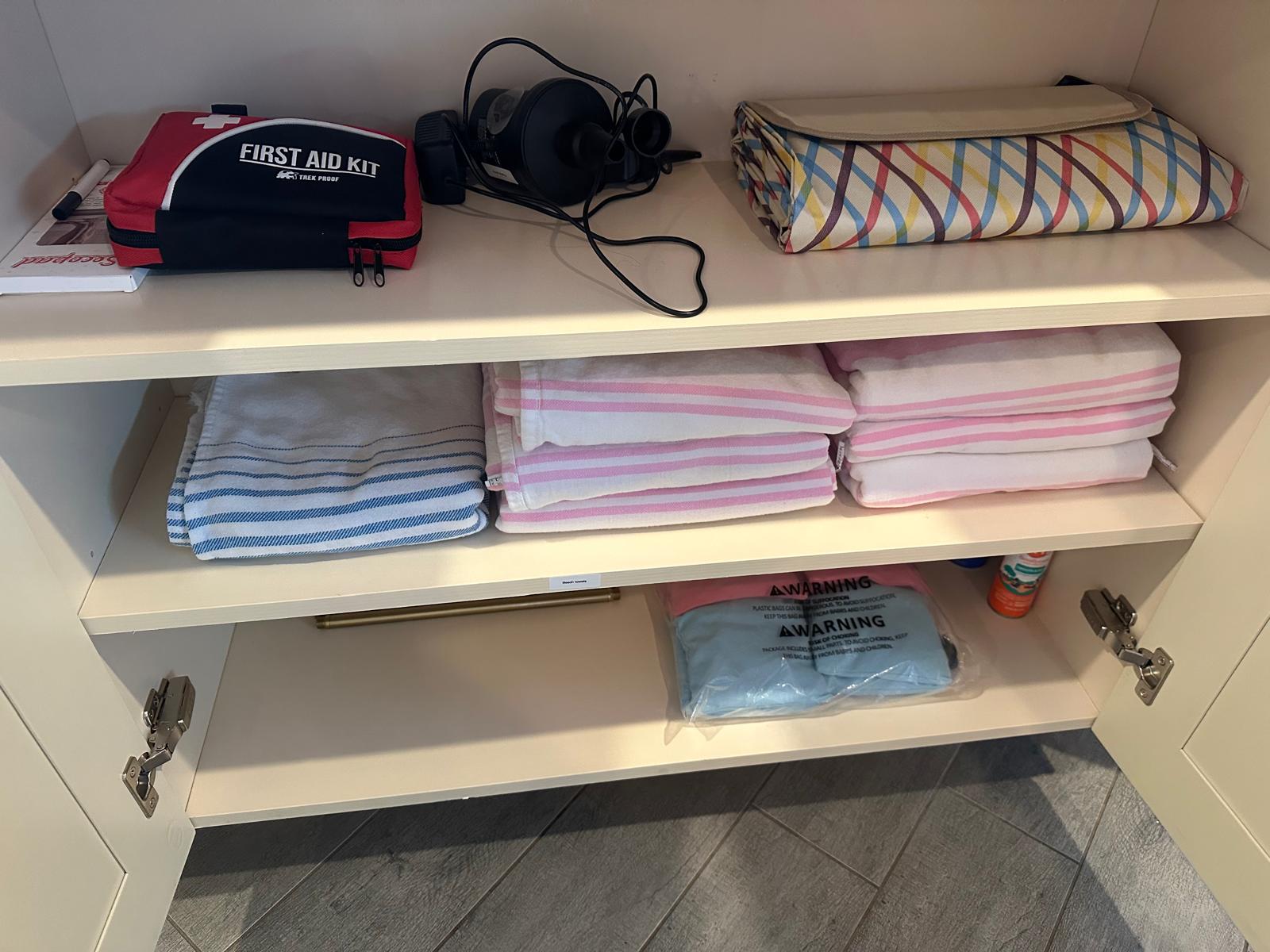
Storage spaces are the hidden mood of a home.
A closet or storage room can look organized and still feel unpleasant: closed-in air, musty smell, damp corners, and fabrics that never quite feel fresh. In Florida humidity, those issues aren't a sign you're doing something wrong—they're a sign that storage spaces need a different kind of care.
Sustainable storage cleaning isn't about spraying strong scents. It's about airflow, gentle cleaning, and moisture-smart habits that keep stored items protected without heavy chemicals.
This guide is designed for Greater Tampa Bay homes—from St. Petersburg to Tampa, Clearwater, Largo, Palm Harbor, and St Pete Beach—where humidity can creep into closets, storage rooms, and linen areas quickly.
Key Takeaways
- Musty storage is usually moisture + airflow, not just dust.
- Sustainable fixes start with dry-first cleaning and consistent ventilation.
- Fabrics hold odor if stored before fully dry.
- A simple monthly sweep prevents buildup without a full reset.
- If odors return fast, a deeper edge/corner reset may be needed.
Why Closets and Storage Rooms Get Musty in Florida
Limited airflow, dust lines, damp textiles stored too soon, overpacked shelves, and humidity spikes after rain all contribute to that stale, closed-in feeling.
20-Minute Storage Clean
- Pull items away from walls slightly
- Vacuum floor edges and corners
- Vacuum lower shelves where dust lines form
- Remove damp textiles immediately (rewash and fully dry)
- Gentle microfiber wipe + quick dry
Fabric Storage Rules
- Store towels and linens only when fully dry
- Don't pile damp beach towels in closets
- Air out seasonal items before long-term storage
- If it smells musty, wash + fully dry before storing again
Moisture-Smart Layout (Not Just Aesthetics)
- ■Don't overpack shelves
- ■Leave breathing gaps between hanging clothes
- ■Keep items off the floor when possible
- ■Avoid cardboard on floors in humid zones
Monthly Maintenance (10 Minutes)
- ■Quick vacuum of edges
- ■Wipe one shelf (rotate monthly)
- ■Check for damp items
- ■Quick handle wipe
What Not To Do
- Don't rely on strong sprays to cover odor
- Don't store textiles before fully dry
- Don't pack closets so air can't move
- Don't ignore floor edges
Tampa Bay Specifics: Why Local Storage Spaces Get Musty
Storage rooms and pantry closets in Pinellas County rarely get direct AC airflow. Combine that with indoor humidity in the 55% to 70% range, salt carryover near the coast, and spring oak pollen, and you have ideal conditions for mildew on shelf undersides and the back of fabric bins. Beach-area homes in St Pete Beach, Pass-a-Grille, and Indian Rocks Beach feel this fastest because sand wicks moisture into closet floors.
Three patterns repeat in local homes:
- ■Linen closets near bathrooms absorb shower humidity through the wall and door. Towels stored here mildew first.
- ■Garage-adjacent storage swings 15 to 20 degrees daily, which causes condensation on bin lids.
- ■Under-bed storage traps dust and humidity in a layer that almost never gets vacuumed.
Tools & Supplies (Sustainable, No Heavy Chemicals)
- ■Vacuum with crevice tool for shelf edges, floor corners, and under bins.
- ■Microfiber cloths. One slightly damp, one dry. They lift dust without spreading it.
- ■Moisture absorbers (silica or activated charcoal) for enclosed bins. Refresh every 2 to 3 months.
- ■Breathable bins (woven fabric or vented mesh) for fabric items. Avoid sealed plastic.
- ■White vinegar or castile soap diluted in water for shelf wipe-downs.
Step-by-Step: Full Storage Reset (60 Minutes)
- Empty completely. Pull every bin and shelf item into the next room. Sort into keep, rewash, donate.
- Dry vacuum the empty space. Floor, corners, baseboards, and the underside of every shelf.
- Inspect for active mildew. Look for dark specks on shelf undersides or the back wall, especially in linen closets.
- Wipe with diluted vinegar solution. Top to bottom. Let it air dry for 15 minutes before reloading.
- Open the door and run a fan for 20 to 30 minutes to fully dry the space.
- Reload with breathing room. 80% capacity max. Add a moisture absorber to any closed bin.
When to Call a Pro
Sustainable storage care is mostly DIY work, but a professional reset makes sense when you see active mildew on multiple shelves, when the smell returns within a week of every cleaning, or when you're starting a recurring service and want a clean baseline. Our team handles full closet and storage resets as part of a deep cleaning visit, then helps you build a maintenance rhythm so it stays manageable. For broader context, our Florida humidity and mold guide covers the home-wide moisture rules that keep storage spaces clean longer.
DIY vs. Professional Help
A professional reset can restore the baseline so maintenance stays easy.
Explore Our Services →Serving Greater Tampa Bay
Vicillas Cleaning Solutions serves St. Petersburg, Tampa, Clearwater, Largo, Palm Harbor, and St Pete Beach.
Book Now: Keep Your Storage Fresh
Ready for storage spaces that feel fresh without harsh chemicals? Let us handle the reset so your monthly upkeep stays simple.
Book Your CleaningFAQs
Why do closets smell musty in Florida?
Florida's high humidity combined with limited airflow in closets creates the perfect environment for musty smells. Dust lines, overpacked shelves, and fabrics stored before fully dry contribute to that stale feeling.
What's the fastest way to freshen a storage room sustainably?
Start with a 20-minute dry-first reset: pull items away from walls, vacuum edges and corners, remove damp textiles, and do a gentle microfiber wipe. This addresses the root causes without heavy chemicals.
Should I use strong odor sprays?
No. Strong sprays mask odor but don't remove the source. Sustainable freshness comes from airflow, dry-first cleaning, and storing only fully dry fabrics.
How often should I clean storage spaces?
A 10-minute monthly maintenance (quick vacuum edges, wipe one shelf, check for damp items) prevents buildup. Deeper resets are needed only when odors return quickly.
What items cause the most storage odor?
Damp textiles are the top cause—towels stored before fully dry, beach towels piled in closets, and seasonal items stored without airing first. Rewash and fully dry any musty items before storing again.
Where can I book cleaning in Greater Tampa Bay?
Vicillas Cleaning Solutions serves Greater Tampa Bay including St. Petersburg, Tampa, Clearwater, Largo, Palm Harbor, and St Pete Beach. Book your cleaning today.
Experience the Vicillas Difference
Ready to experience professional cleaning that goes beyond the surface? Let our trusted team bring peace of mind to your Tampa Bay home.
Related Articles
Florida Spring Pollen: A Cleaning Routine That Actually Works
How to keep yellow pollen dust out of your home during Florida's peak pollen weeks.
Read more →
Kitchen Grease Buildup in Florida: How to Remove It for Good
Why Florida humidity makes grease worse — and the cleaning method that actually cuts through it.
Read more →
Hard Water Film in Florida Bathrooms: Removal & Prevention
The mineral buildup making your shower look dirty — and how to actually get rid of it.
Read more →