Sustainable Floor Care for Coastal Florida: How to Clean Sand and Salt Without Damaging Finishes
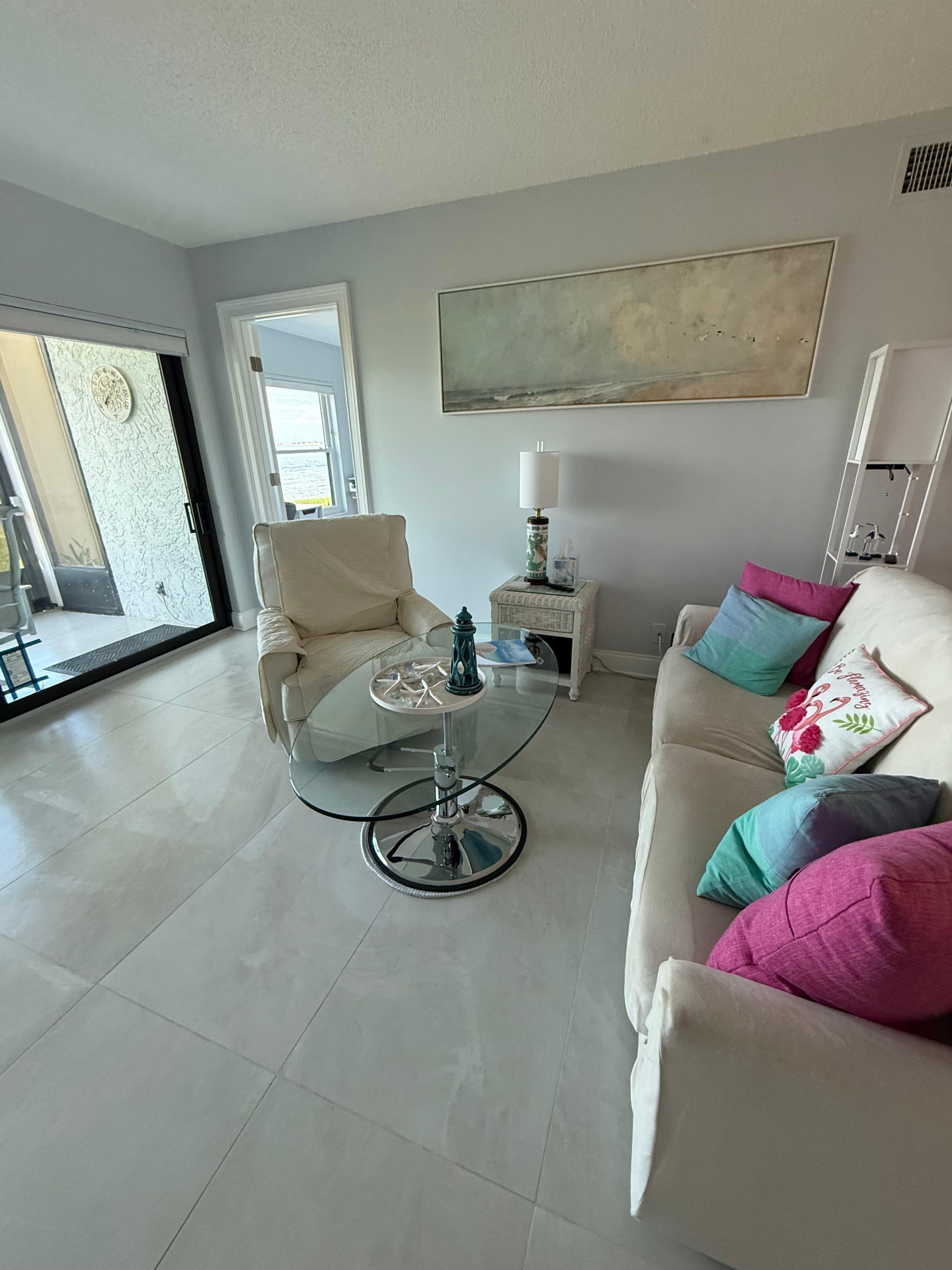
In coastal Florida, floors can feel gritty again five minutes after you clean.
Sand travels. Salt film dulls surfaces. And the wrong cleaning order can spread grit or leave residue—making floors feel worse over time.
Sustainable floor care isn't about stronger chemicals. It's about protecting your finishes, using fewer products, and cleaning in the right sequence so your floors stay smoother for longer.
This guide is built for Greater Tampa Bay coastal life—from St Pete Beach to St. Petersburg, Clearwater, Largo, Palm Harbor, and Tampa—where beach days, humidity, and tracked-in grit are part of normal living.
Key Takeaways
- Always remove sand and grit dry first before any wet mopping.
- Sustainable cleaning protects finishes by avoiding abrasion and product buildup.
- Salt film often lives near doors, tracks, and baseboards—target those zones.
- Light, consistent maintenance beats heavy scrubbing.
- A simple weekly rhythm keeps floors calm through beach season.
Why Coastal Floors Are Harder to Maintain
Coastal buildup is a mix of sand (abrasive), salt air film (dull layer), and sunscreen/body oils (sticky residue).
Each element reacts differently to cleaning. Sand scratches if mopped before vacuuming. Salt film leaves a hazy dullness that builds over time. And oils make surfaces feel tacky—especially near entryways and bathrooms.
Step 1: Dry-First Floor Reset (15–20 Minutes)
The foundation of sustainable floor care is removing grit before introducing moisture. Here's the sequence:
Vacuum entry paths and main walkways
Start where grit enters and travels most.
Use a crevice tool along baseboards and corners
Sand collects in edges—don't skip them.
Focus on sliding door tracks and thresholds
These are sand magnets in coastal homes.
Vacuum under stools and furniture edges
Grit hides in places feet don't reach.
Step 2: Surface-Safe Mop (10–15 Minutes)
- Warm water + small amount of gentle cleaner — less product means less residue
- Mop in sections; rinse as needed — prevents spreading dirty water
- Avoid flooding floors — excess water damages wood and laminate finishes
- Dry high-traffic zones if needed — prevents water spotting and slip hazards
Salt Film Hotspots
These areas collect salt film fastest—give them extra attention:
- Baseboards near entryways
- Sliding doors / thresholds
- Kitchen paths
- Bathroom paths
Sustainable Habits That Prevent Grit From Taking Over
- Inside + outside mats — create a two-step sand barrier
- Sandals bin — keep beach shoes near the door, not worn through the house
- 2-minute vacuum after beach days — prevents sand from embedding
- Wash/clean mats weekly — mats can only hold so much before they spread grit
Coastal Weekly Rhythm
Weekly Routine
- Vacuum paths + edges
- Light mop with minimal product
- Wipe tracks/thresholds
After Beach Days
- Quick entry vacuum
- Towels straight into laundry
- Shake mats outside
Mistakes That Damage Floors Over Time
- Mopping before vacuuming — spreads sand and scratches finishes
- Too much product — leaves residue film that attracts more dirt
- Abrasive pads on sensitive finishes — scratches wood, laminate, and tile
- Skipping edges and tracks — grit builds up and spreads back into the room
- Flooding floors — damages wood, warps laminate, and leaves water marks
Ready for a Professional Floor Reset?
Our sustainable cleaning approach protects your finishes while restoring the "feels clean" baseline.
Explore Our ServicesDIY vs. Professional Help
A professional reset can restore the baseline so maintenance stays easy. When floors have product buildup, embedded salt film, or grit in grout lines, a deep clean removes what regular mopping can't—and protects your finishes from further damage.
Explore our sustainable cleaning services →
Serving Greater Tampa Bay
Vicilla's Cleaning Solutions proudly serves St Pete Beach, St. Petersburg, Clearwater, Largo, Palm Harbor, and Tampa.
Make Your Floors Feel Smooth Again
Professional floor care that protects your finishes and keeps your coastal home calm.
Book NowFrequently Asked Questions
Why do my floors feel gritty after I mop?
Most commonly, grit wasn't removed before mopping. Sand and particles spread with water, leaving a gritty film. Always vacuum or dry-sweep first.
How can I clean sand sustainably?
Remove sand dry first with a vacuum, then use warm water with minimal eco-friendly cleaner. Avoid flooding floors—less product means less residue.
Does salt air affect indoor floors?
Yes. Salt air creates a dull film that builds near doors and high-traffic paths. Regular wiping of baseboards and thresholds prevents buildup.
How often should I mop in coastal Florida?
Weekly light mopping with a quick vacuum pass before keeps floors fresh. After beach days, a quick entry vacuum prevents sand from spreading.
What's the best place to focus after beach days?
Entry paths, sliding door tracks, and towel areas. A 2-minute vacuum after beach days prevents sand from embedding in floors.
Where can I book cleaning in Greater Tampa Bay?
Vicilla's Cleaning Solutions serves St Pete Beach, St. Petersburg, Clearwater, Largo, Palm Harbor, and Tampa. Book online here.
Experience the Vicillas Difference
Ready to experience professional cleaning that goes beyond the surface? Let our trusted team bring peace of mind to your Tampa Bay home.