How to Remove Sunscreen, Salt & Sand Buildup in Coastal Florida Homes: A Calm Reset for Greater Tampa Bay
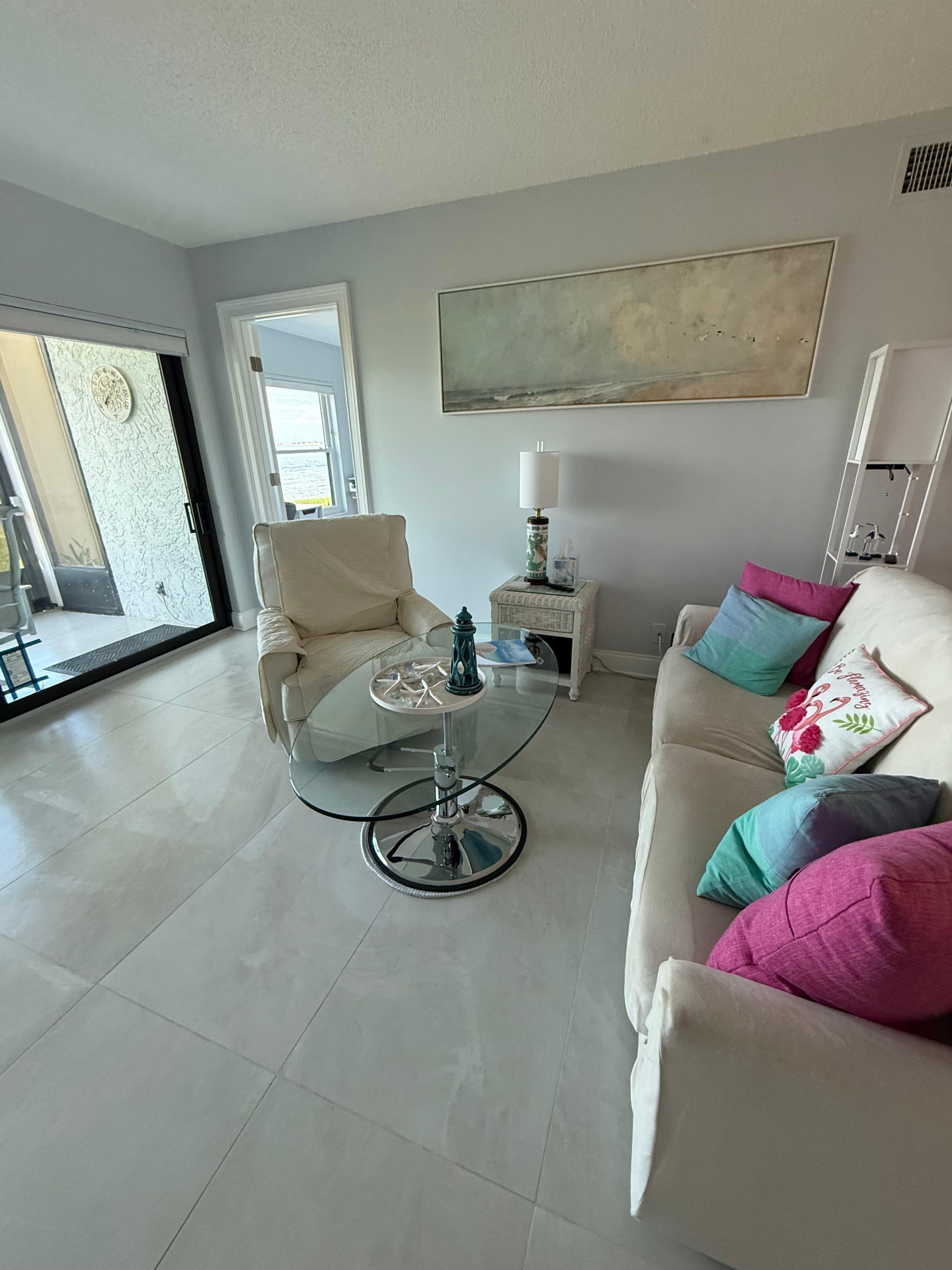
If you live near the water in Florida, you know the feeling.
Your home can look tidy… and still feel gritty.
A thin layer of sand shows up again hours after you mop. Floors feel slightly sticky. Glass and fixtures seem dull. And no matter how often you "quick clean," the space doesn't quite feel fresh.
That's because coastal buildup isn't just dirt. In places like St Pete Beach and across the Greater Tampa Bay area, homes deal with a very specific mix:
- Sand (tiny, abrasive, everywhere)
- Salt air (a film that dulls surfaces over time)
- Sunscreen (oily residue that makes floors and handles feel sticky)
The good news: you don't need harsher chemicals or longer cleaning days. You need a calm, surface-safe system that removes residue without damaging finishes—and a maintenance rhythm that keeps it from coming right back.
This guide walks you through a room-by-room coastal reset you can do in a few hours (or split across 2–3 days). It's designed for homes across St. Petersburg, St Pete Beach, Clearwater, Largo, Palm Harbor, and Tampa—especially during beach season when buildup happens faster.
Key Takeaways
- Coastal "dirty" often isn't dirt—it's sand + salt film + sunscreen residue.
- The fastest improvement comes from a dry-first grit removal (vacuum/sweep) before any wet mopping.
- Sunscreen residue needs a gentle degreasing approach, not harsh products that strip finishes.
- High-touch areas (door handles, light switches, fridge handles) hold sunscreen film and should be part of the reset.
- Once you reset, a simple weekly rhythm prevents the gritty/sticky cycle from returning.
Why Sand, Salt, and Sunscreen Are So Hard to Clean
In coastal areas, the problem isn't just what you can see.
Sand: The "Invisible Scratch"
Sand is abrasive. If you mop sand around, you're basically dragging tiny particles across your floors. That can:
- leave floors feeling gritty even after cleaning
- create dullness over time
- scratch sensitive finishes (especially if you skip the dry step)
Salt Air: The "Film"
Salt in the air can settle as a thin film on:
- windows and glass doors
- metal fixtures
- countertops near outdoor access points
- exterior-facing surfaces
It doesn't always look "dirty," but it makes surfaces feel dull and harder to wipe clean.
Sunscreen: The "Sticky Layer"
Sunscreen is made to resist water. That means it sticks to:
- floors (especially near entryways and bathrooms)
- shower walls and tubs
- couch arms and upholstery
- cabinet handles and switches
- laundry (towels and swimwear)
If your home feels clean but still sticky, it's usually sunscreen residue.
Before You Start: The Calm Coastal Reset Setup (10 Minutes)
A successful reset isn't about scrubbing harder. It's about doing things in the right order.
Quick Setup Checklist
- Put beach items in one "staging zone" (bags, towels, toys, sandals)
- Shake out mats outside (if possible)
- Open windows briefly if weather allows, or turn on fans for airflow
- Gather supplies: microfiber cloths, vacuum, mop + bucket, gentle cleaner, mild dish soap
Coastal cleaning rule: Always remove grit dry before you clean wet.
Step 1: Entryway + Floors (The Biggest "Grit" Win)
Most coastal buildup starts at the door.
Entryway Reset Checklist
- Vacuum or sweep the entryway thoroughly (edges and corners)
- Clean doormats (shake out, vacuum, or rinse depending on type)
- Wipe down the "drop zone" surface (table, shelf, hooks)
- Add one simple habit: keep a small bin for sandy shoes/sandals
Floor Reset (Surface-Safe Method)
Vacuum first (best option)
- Use the crevice tool along baseboards and under edges.
Then mop (gentle, not soaking)
- Avoid flooding floors—especially wood/laminate.
- If floors feel sticky: add a tiny amount of mild dish soap to warm water (think: a few drops). This helps lift sunscreen film without harsh stripping.
Important: Always test any cleaner in a small, hidden spot—especially on specialty flooring.
High-impact zones to focus on:
- paths from door → kitchen → bathroom
- around sliding doors and patio entrances
- under bar stools (sand hides there)
- near laundry area (towels + swimwear)
Step 2: Bathrooms (Where Sunscreen Builds Up Fast)
Bathrooms in coastal homes often collect sunscreen residue, body oils, and humidity—especially in showers.
Bathroom Coastal Reset Checklist
- Replace damp towels with clean ones (wash the beach towels)
- Wipe shower walls, corners, and ledges (focus on film)
- Clean tub/shower floor edges and drains (hair + residue)
- Wipe sink counter and faucet base
- Clean toilet exterior and base
- Wipe high-touch zones: switches, door handles
- Mop the floor edges (sand loves corners)
If you see "dull" shower walls: it's often residue and film. Use a gentle approach and a microfiber cloth. Avoid abrasive pads that can scratch finishes.
Step 3: Kitchen (Salt Film + High-Touch Handles)
Kitchen surfaces can feel sticky from sunscreen on hands—especially in summer.
Kitchen Reset Checklist
- Wipe counters completely (don't skip edges)
- Clean sink and faucet base (film builds around fixtures)
- Wipe cabinet fronts and handles (especially near trash)
- Clean microwave interior quickly (crumbs cause odor)
- Wipe exterior of fridge and dishwasher (handles matter)
- Empty trash and wipe inside the can if needed
- Sweep/vacuum and mop floors (especially around sink/trash)
Quick quality standard: counters should feel smooth, not tacky.
Step 4: Living Room + Upholstery (Where Film Hides)
Soft surfaces hold onto sunscreen and salt air in a way hard surfaces don't.
Living Room Refresh Checklist
- Vacuum rugs thoroughly (edges and under furniture line)
- Vacuum couch cushions and under cushions
- Wipe hard surfaces: coffee table, side tables
- Wipe remotes and "touch points"
- Spot clean any visible marks gently
If your couch arms feel sticky, that's a strong sign of sunscreen transfer. A gentle upholstery-safe approach is best (and when in doubt, test a small hidden area).
Step 5: Windows, Glass Doors, and Fixtures (The "Dullness" Fix)
In coastal environments, glass and metal can lose that clean "sparkle" due to film.
Glass + Fixture Reset Checklist
- Wipe sliding door tracks and edges (sand collects here)
- Clean glass with microfiber (avoid streaks by using a dry buff cloth after)
- Wipe metal fixtures with a damp microfiber, then dry
- Spot-check mirrors for film and streaks
This is the step that makes a home feel visibly "reset."
The 3-Day Coastal Reset Plan (If You Want It Calm)
If you don't want a marathon clean, split it:
You'll get a better result with steady progress than one exhausting day.
The Mistakes That Make Coastal Cleaning Feel Impossible
If you feel like sand and sticky floors "never stop," it's usually one of these:
- Mopping before vacuuming (you spread grit and residue)
- Using harsh products that leave buildup (or strip finishes)
- Skipping high-touch areas (handles, switches, remotes)
- Not resetting textiles (towels, mats, couch throws)
- Ignoring entryway habits (sand keeps getting reintroduced)
Coastal cleaning becomes easy when the system is right.
How to Keep It Clean: A Simple Weekly Coastal Rhythm
Once you reset, here's the calm maintenance plan that prevents the gritty/sticky cycle:
Weekly (20–40 Minutes Total)
- Vacuum main paths + entryway
- Mop high-traffic areas lightly
- Wipe high-touch zones (handles, switches, fridge handle)
- Quick bathroom wipe (sink + shower ledge + floor edges)
After Beach Days (5 Minutes)
- Shake out mats
- Quick vacuum in entry path
- Put towels straight into laundry (don't let them sit damp)
Small habits beat big cleanups.
DIY vs. Professional Cleaning (When It's Worth Booking Help)
DIY works when you have time and the reset isn't too far behind.
But professional cleaning can make sense when:
- floors stay gritty even after you mop (gunk + film + grit buildup)
- sunscreen residue keeps returning (sticky feel on surfaces)
- you want a full reset without sacrificing your weekend
- you want consistent standards through beach season
If you want to see what's included in our cleaning options, explore services here.
Serving the Greater Tampa Bay Area
Vicilla's Cleaning Solutions serves homes across the Greater Tampa Bay area, including:
- • St. Petersburg, FL (Downtown St. Pete, Old Northeast, Snell Isle, Historic Kenwood)
- • St Pete Beach, FL
- • Clearwater, FL
- • Largo, FL
- • Palm Harbor, FL
- • Tampa, FL
Book Now: Keep Coastal Clean Feeling Easy
Coastal living should feel calm—not gritty.
If you want a surface-safe reset and a maintenance rhythm that keeps your home consistently fresh, book your cleaning today.
FAQs
Why do my floors feel gritty right after mopping?
Usually because sand wasn't fully removed first. Vacuuming (especially edges) before mopping makes the biggest difference.
How do I remove sunscreen residue from floors safely?
Use a gentle approach: remove grit dry first, then mop with warm water and a small amount of mild soap. Always test a small hidden area.
Does salt air affect indoor surfaces?
It can create a thin film on glass and fixtures, especially near doors, windows, and coastal entrances.
What rooms should I prioritize for a coastal reset?
Entryway and floors first, then bathrooms (sunscreen), then kitchen (high-touch zones), then living areas and glass.
How can I keep sand from coming back so fast?
Entryway habits help: mats, a shoe bin, quick post-beach vacuuming, and keeping towels from sitting damp.
Where can I book cleaning in Greater Tampa Bay?
Book here: vicillascleaning.com/booking
Experience the Vicillas Difference
Ready to experience professional cleaning that goes beyond the surface? Let our trusted team bring peace of mind to your Tampa Bay home.