Post-Renovation Turnovers: The Cleaning Steps That Remove Drywall Dust (and Prevent Callbacks)
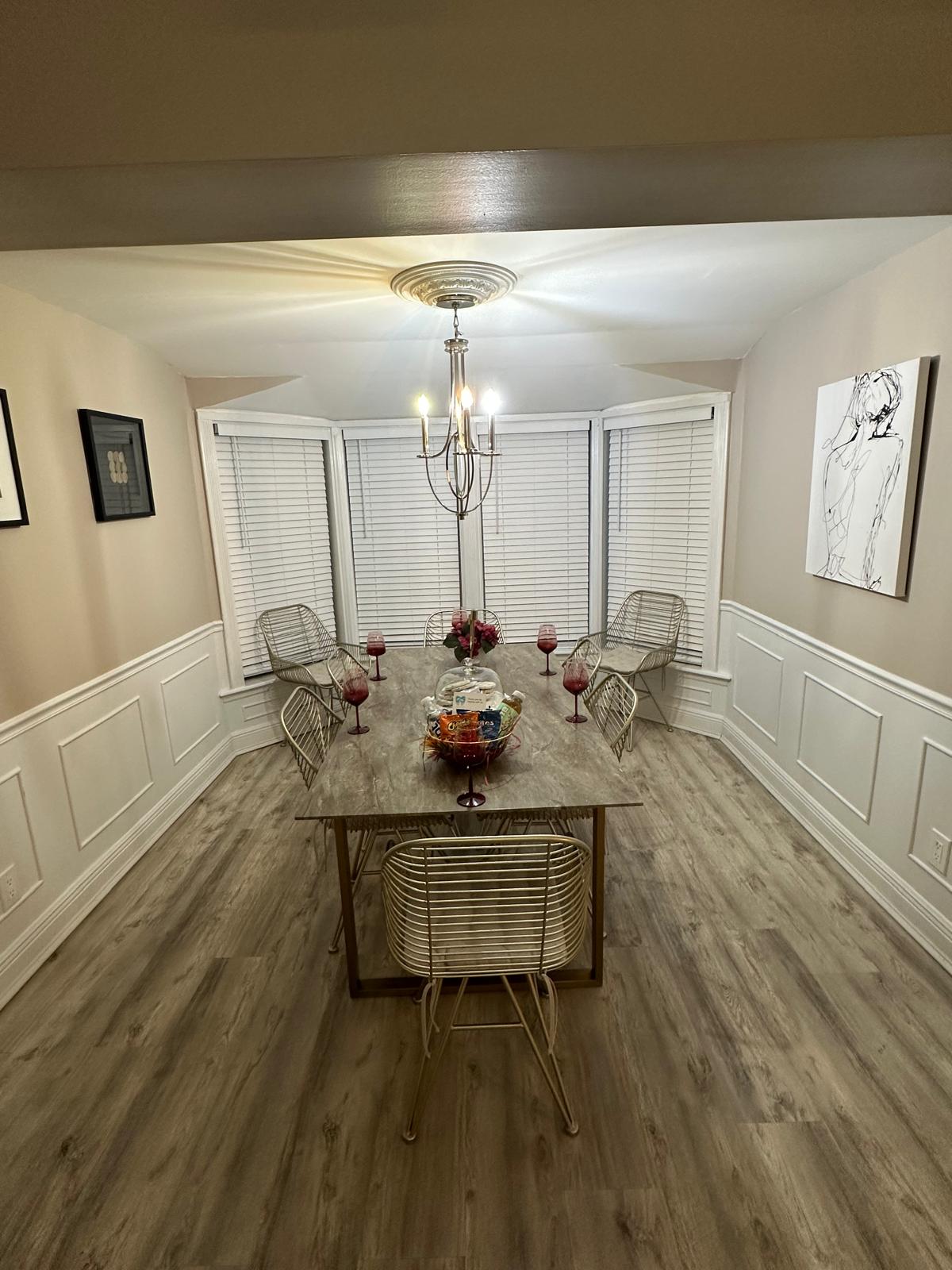
A unit can look "finished" and still fail the first showing because drywall dust behaves like a film: it floats, settles, and reappears.
This system is built for Greater Tampa Bay (St. Petersburg, Tampa, Clearwater, Largo, Palm Harbor, St Pete Beach).
Key Takeaways
- Drywall dust needs dry removal first, then controlled wiping.
- Trim ledges, tracks, and vents are where dust returns.
- A two-pass approach prevents callbacks and makes units photo-ready.
- Contractor re-entry requires a short final polish.
Why Drywall Dust Keeps Coming Back
Fine dust settles on ledges and edges, then moves again with airflow. If you mop before removing it dry, you create gritty film.
The 3-Pass Post-Renovation Cleaning Order
Pass 1: Dry Removal (vacuum, don't wipe first)
- Vacuum floors slowly (edges/corners with crevice tool)
- Vacuum baseboards and door-trim ledges
- Vacuum window sills and closet shelf edges
- Vacuum sliding door tracks and thresholds
Pass 2: Top-Down Microfiber Wipe
- Door frames/trim, cabinets/shelves, counters
- Fixtures (faucet bases), then mirrors/glass last
Pass 3: Floors (two-step finish)
- Vacuum again to catch settled dust
- Light mop with minimal product (avoid residue)
Quick Checklist
- Contractors fully finished before deep clean is scheduled
- Dry removal completed (edges, trim ledges, tracks)
- Top-down wipe completed (controlled moisture)
- Floors finished (vacuum again + light mop)
- Final polish planned if anyone re-enters
Need professional post-renovation cleaning for your Tampa Bay properties?
Explore ServicesCommon Mistakes
- Mopping before dry removal
- Too much product (residue traps dust)
- Skipping trim ledges/tracks
- Cleaning glass too early (gets re-smudged)
- No final polish after re-entry
FAQs
How is post-construction cleaning different from deep cleaning?
Post-construction cleaning focuses on removing construction debris, drywall dust, and fine particles that require dry removal before wet cleaning. It's more intensive and follows a specific sequence.
Why does drywall dust return after cleaning?
Drywall dust is extremely fine and settles on ledges, tracks, and vents. Air movement redistributes it. Proper dry removal before wet cleaning prevents the gritty film that traps more dust.
What areas prevent most callbacks?
Trim ledges, sliding door tracks, window sills, and baseboards are the top callback sources. These collect dust that becomes visible after air circulation resumes.
When should I schedule cleaning relative to contractors?
Schedule deep cleaning only after all contractors have finished. If anyone re-enters the unit after cleaning, plan a quick final polish before showings.
How do I make floors feel smooth again?
Vacuum thoroughly first, then use a light mop with minimal product. Too much cleaning solution creates residue that traps dust and feels gritty underfoot.
Where can I book post-renovation cleaning in Tampa Bay?
Vicillas Cleaning Solutions serves St. Petersburg, Tampa, Clearwater, Largo, Palm Harbor, and St Pete Beach with professional post-renovation and turnover cleaning.
Experience the Vicillas Difference
Ready to experience professional cleaning that goes beyond the surface? Let our trusted team bring peace of mind to your Tampa Bay home.