The 20/10 Cleaning Rule, Florida Edition: A Sustainable Routine for Busy Homes in Greater Tampa Bay
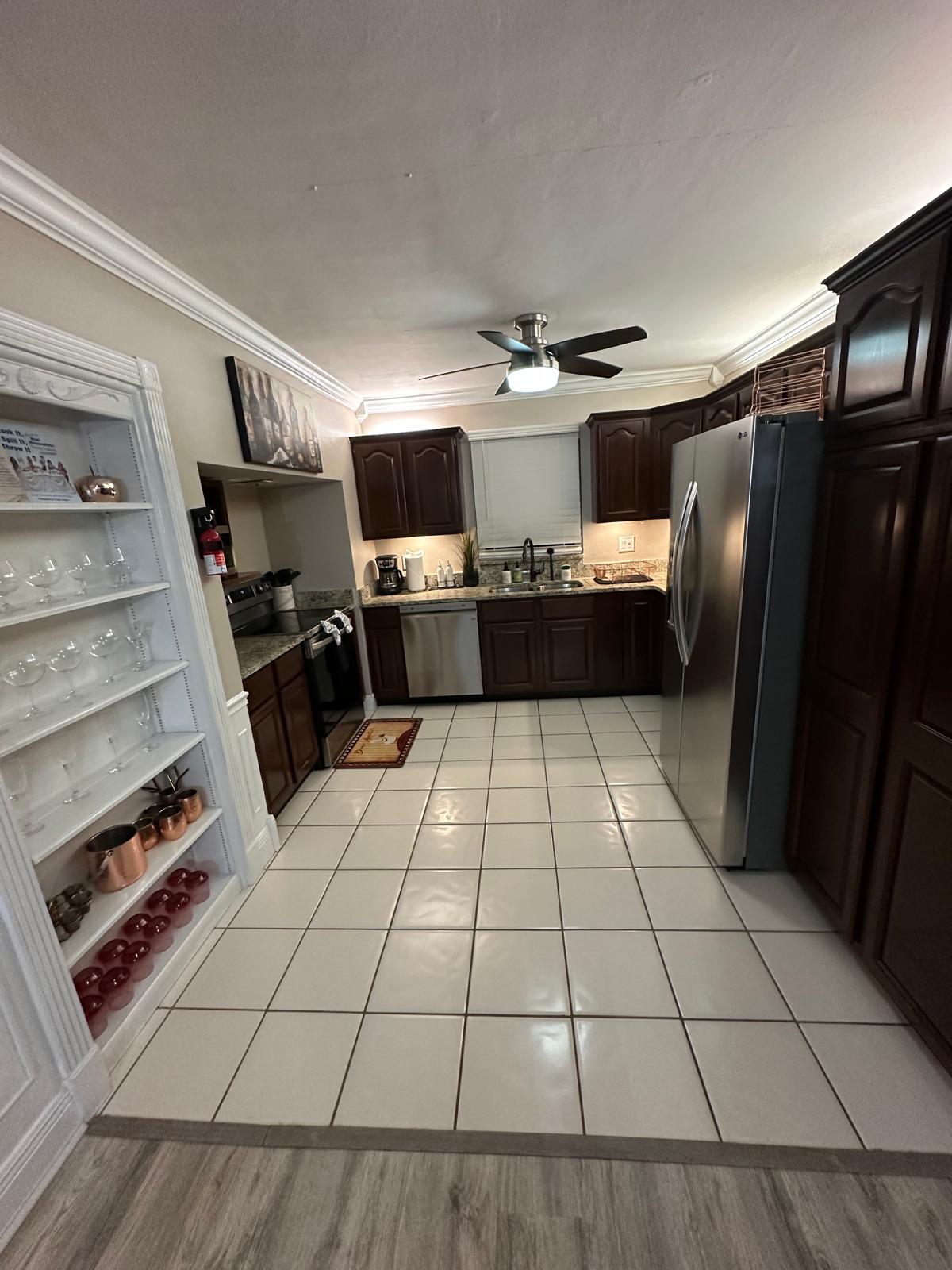
If cleaning feels endless, it is usually because you are trying to do it all in one long session.
The 20/10 rule is simple. Clean for 20 minutes, rest for 10. It is not a gimmick. It is a realistic way to build consistency, and it works especially well in Greater Tampa Bay, where humidity, sand, and daily traffic bring buildup back faster than most people expect.
This guide adapts 20/10 for Florida homes across St. Petersburg, Tampa, Clearwater, Largo, Palm Harbor, and St Pete Beach. The goal is a calm rhythm that holds up through pollen season, summer humidity, and post-holiday chaos without demanding a full Saturday.
Key Takeaways
- 20/10 works because it builds consistency, not perfection.
- Short sessions reduce overwhelm and prevent cleaning avoidance.
- In Florida, prioritize humidity zones first (bathrooms, floors, closets).
- The right order creates a bigger visual impact in less time.
- Maintenance beats marathons, especially in humid climates.
Why Tampa Bay Homes Need a Different Pace
Florida homes do not behave like homes in dry climates. Humidity hovers above 70 percent for most of the year, salt air drifts inland from the Gulf, and fine sand tracks in from beaches and patios. That combination means dust resettles faster, bathrooms attract mildew sooner, and floors look dull within days of mopping.
Trying to "catch up" on a Saturday almost always fails. By Wednesday, the kitchen sink looks like nothing happened. The 20/10 rule fixes this by replacing the marathon with a steady, low-effort rhythm that matches how Florida homes actually accumulate mess.
For a deeper look at how Tampa Bay's climate changes cleaning frequency, see our cleaning frequency guide.
Tools and Supplies (Florida Edition)
- Microfiber cloths (color-coded: kitchen, bath, glass)
- Vacuum with a hard-floor and edge attachment
- Flat mop with washable pads (avoid string mops in humid bathrooms)
- Neutral pH floor cleaner (use sparingly to avoid sticky residue)
- Squeegee for shower glass (the single best Florida bathroom tool)
- Small caddy or basket so supplies travel room to room with you
- A timer (phone works fine; the timer is what makes the system stick)
The 20/10 Plan, Step by Step
Run three short sessions back to back, or split them across the day. Each session targets one zone and ends before fatigue sets in.
Session 1 (20 minutes): Kitchen Reset
- Clear the counters of mail, cups, and floaters. Put items where they belong, not in a pile.
- Wipe counters, then the sink and faucet base. Faucet bases hold the most visible water spots in Florida.
- Spot-clean the stovetop and the area around the trash can.
- Quick sweep or vacuum of the main kitchen path. Skip the corners; they belong to Session 3.
Rest (10 minutes)
Hydrate, sit down, and reset. The break is the method, not a reward.
Session 2 (20 minutes): Bathroom Touchpoints
- Sink, faucet, mirror spot-check. Dry the chrome to prevent mineral film.
- Toilet exterior, base, and the floor right around the base.
- Quick wipe of shower ledges and the wall-to-floor line where moisture sits.
- Switches, door handles, and the inside of the bathroom door knob.
Rest (10 minutes)
Step away. Your eyes and shoulders need this more than you think.
Session 3 (20 minutes): Floors and Edges (Florida Priority)
- Vacuum edges, corners, and along baseboards first. This is where Tampa Bay sand collects.
- Vacuum patio door tracks and entry thresholds. Skipping these is the number one reason floors feel gritty after mopping.
- Mop only what needs it, with minimal product. Less is more in humid air.
- Open a window or run the AC fan for ten minutes after mopping so floors actually dry.
Florida Floor Note
If floors feel sticky or gritty after mopping, it is usually because dust and sand were not removed dry first, or product was overused. Vacuum edges and thresholds before any wet step. This single change fixes more "dirty floor" complaints than any product upgrade.
Want help building a sustainable cleaning routine for your Tampa Bay home?
Explore Recurring CleaningCommon Mistakes
- Doing 60 straight minutes with no breaks. Burnout kills the habit.
- Cleaning in the wrong order. Floors before counters spreads crumbs.
- Overusing product, which leaves sticky film that attracts new dust.
- Ignoring edges, tracks, and thresholds where Florida sand hides.
- Skipping the 10-minute rest. The break is what makes the system sustainable.
When to Call a Pro
20/10 is built for ongoing maintenance, not for catching up after months of buildup. If your home has not had a full reset in more than 90 days, or if you are dealing with post-renovation dust, move-out conditions, or vacation rental turnover, a one-time deep clean creates the baseline that 20/10 can then maintain.
Vicillas Cleaning Solutions offers recurring and deep cleaning services across Greater Tampa Bay, sized to whatever rhythm fits your home.
Frequently Asked Questions
What is the 20/10 cleaning rule?
The 20/10 rule means you clean for 20 minutes, then take a 10-minute break. It prevents burnout and builds a sustainable habit that keeps your home consistently maintained without weekend marathons.
How many 20/10 sessions should I do per week in a Tampa Bay home?
Two to three sessions per week is enough for most Tampa Bay households to maintain a clean baseline. In high-humidity months (June through September), add one extra bathroom-focused session to stay ahead of mildew and mineral film.
What is the best 20-minute task order for Florida homes?
Start with the kitchen for the highest visual payoff, move to bathroom touchpoints next, then finish with floors and edges. This order matches how dust and humidity actually behave in Florida homes and gives you the biggest perceived impact in the shortest time.
Why do my floors feel sticky after mopping?
Usually because dust and sand were not removed dry first, or too much cleaning product was used. Always vacuum edges and door thresholds before mopping, and use minimal product. In coastal St. Petersburg and Clearwater homes, salt residue makes this worse, so dry-first matters even more.
Is 20/10 better than a one-day deep clean?
For ongoing maintenance, yes. Regular short sessions prevent the buildup that makes deep cleans necessary. Deep cleans are still valuable seasonally, but 20/10 keeps things manageable in between and reduces the size of every reset you need to do.
Can the 20/10 rule work for households with kids or pets?
Yes, and it actually works better than long sessions. Kids and pets create constant small messes, so short, frequent passes match the real rhythm of the home. Many families use one 20/10 session in the morning and another after dinner.
What if I miss a session?
Skip it and pick up at the next one. The system is designed for consistency, not perfection. Missing one session does not undo the routine, but skipping a full week usually means the next reset takes longer.
Book Your Reset
If you want a calm, sustainable cleaning rhythm without weekend stress, our team can build the foundation so 20/10 actually works.
Book NowExperience the Vicillas Difference
Ready to experience professional cleaning that goes beyond the surface? Let our trusted team bring peace of mind to your Tampa Bay home.
Related Articles
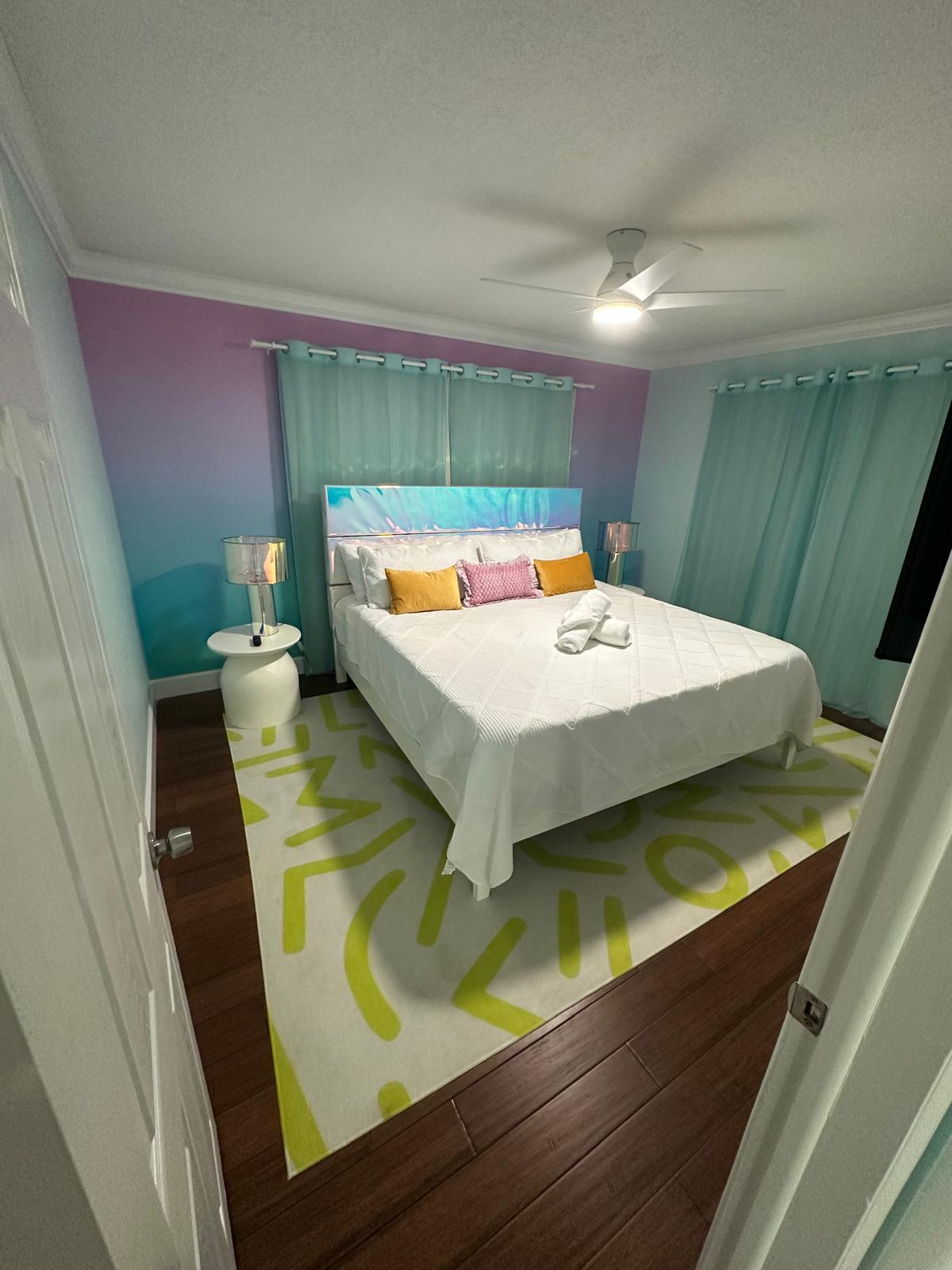
Decluttering Tools & Cleaning Supplies for Florida Homes
The short list of tools that actually make a difference — no gimmicks.
Read more →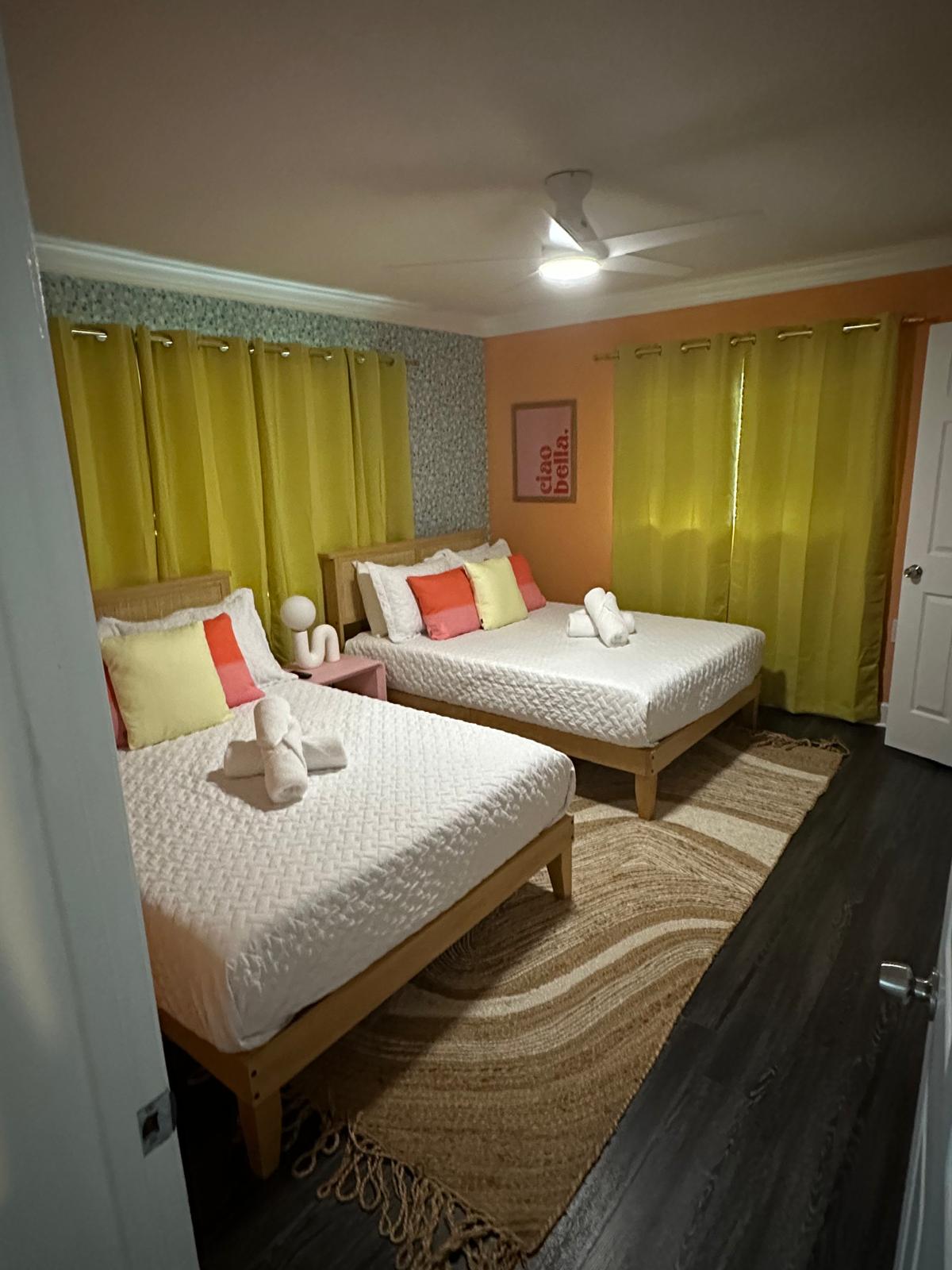
Budget-Friendly Cleaning Upgrades That Feel Premium
Smart habits — not gadgets — that turn an average clean into a hotel-grade reset.
Read more →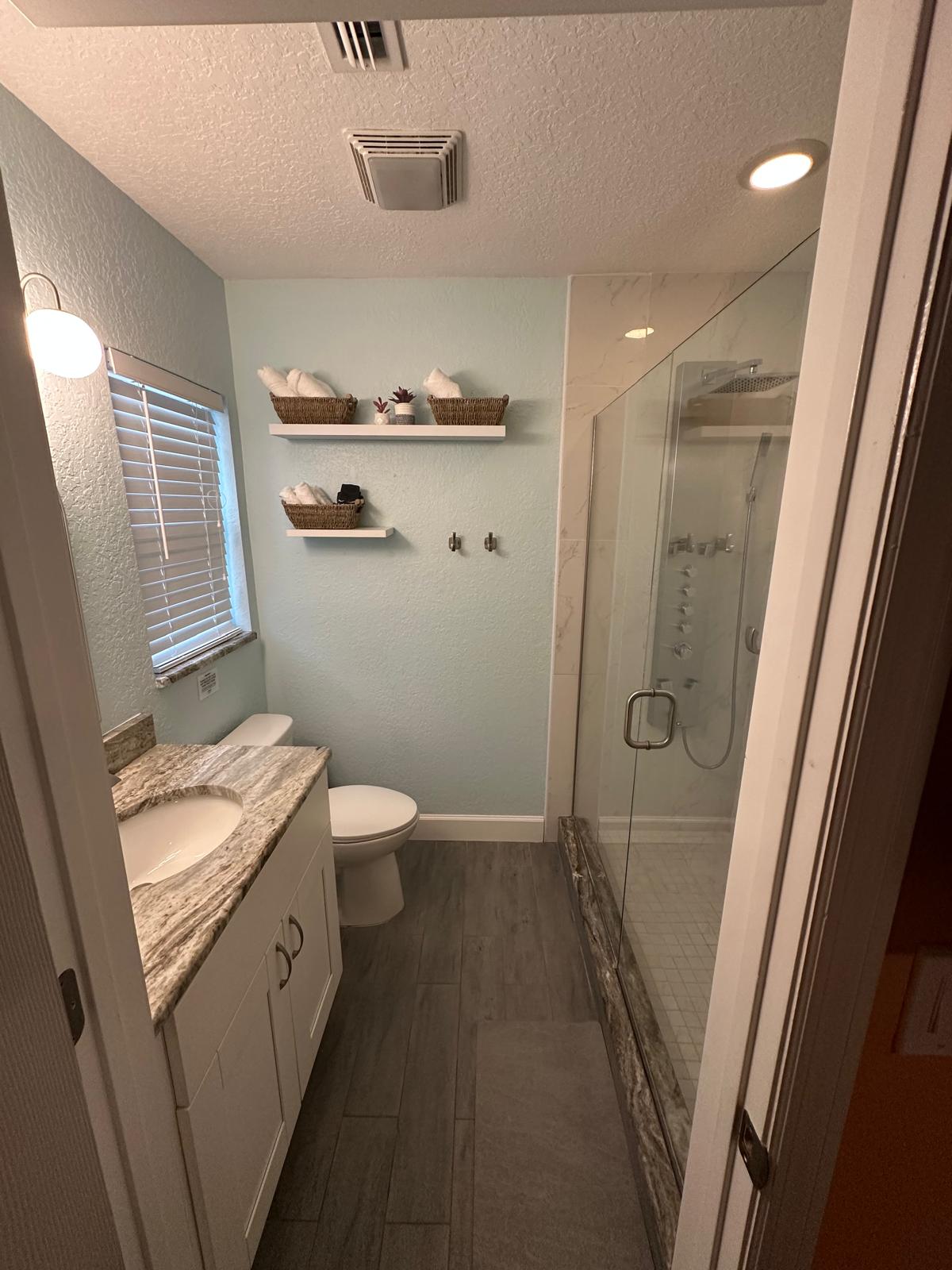
ADHD-Friendly Decluttering (Without Overwhelm)
A gentle, low-pressure system for keeping your home calm when your brain isn't.
Read more →